
RIX vs Pulsar Thermal
RIX is the newer value challenger, often offering high-resolution cores and bright displays for less, while Pulsar brings a proven ecosystem, refined image processing, rugged build and stronger resale. Choose RIX if you want a lot of sensor for the money and don't mind a younger brand; choose Pulsar if ecosystem, reliability and resale matter.
Pros
- RIX offers high-resolution cores and bright displays at lower prices
- Pulsar wins on ecosystem maturity, image refinement, build and resale
- Both provide modern 384 and 640 sensors for hunters
Cons
- RIX is a newer brand with less proven reliability and resale history
- Pulsar costs more and its value edge depends on using the wider ecosystem
Sensor and image quality
RIX has made a name by shipping 384x288 and 640x480 cores with large, bright displays at prices that undercut the incumbents, which appeals to buyers chasing maximum resolution per dollar. On the spec sheet, a RIX unit frequently looks generous for its cost.
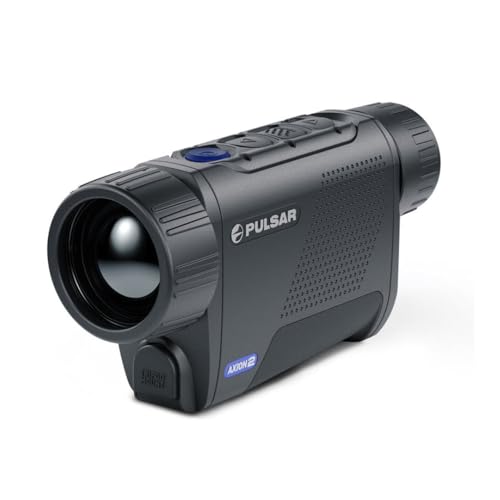
Pulsar's advantage is in how the image is handled, not just the core count. The Axion 2's three sensitivity levels, signal amplification and contrast control are tuned to separate game from background in varied weather, and newer cores add a finer 12 micron pitch. Based on published specs and owner reviews, RIX leads on value density while Pulsar delivers the more consistent, refined picture in demanding conditions.
Ecosystem, app and features
Pulsar's Stream Vision 2 is a mature system covering streaming, recording and firmware updates across its full lineup over Wi-Fi via the Stream Vision 2 app, and higher tiers add in-optic laser rangefinding. If you plan a kit of multiple Pulsar devices, one app and one battery standard tie it together.
RIX is a thermal-optics specialist with a leaner, newer software and accessory ecosystem. Its devices focus on delivering the image at the price, with fewer surrounding platform features. For a buyer who wants recording, app control and room to grow a system, Pulsar is more complete; for a focused single-optic buyer, RIX keeps things simple.
Popular options on Amazon
Prices change often - check the current price on Amazon.
Build, battery and reliability
Pulsar builds to a rugged magnesium alloy housing designed to resist shock, drops, moisture and temperature extremes, and most models use removable lithium packs so a spare battery extends a long hunt. That track record of durable, predictable operation is a core part of the brand.
RIX hardware is solid and often feels premium for the price, but as a younger brand its long-term reliability and battery ecosystem are less proven than Pulsar's established base. If rugged dependability and field-swappable power rank high for you, Pulsar has the edge; if you want strong build at a lower outlay, RIX is competitive.
Price, support, resale and verdict
RIX competes hard on price, which is its main draw. Check the current price on Amazon, since street pricing moves. The tradeoffs are maturity and resale: Pulsar has deep US distribution through Sellmark for easy service and holds value better on the used market, while a newer brand like RIX has thinner secondhand demand.
Both are export-controlled under the EAR. Verdict: choose RIX if you want the most sensor and display for the money right now and are comfortable with a newer brand. Choose Pulsar if you want the proven ecosystem, rugged reliability, and strong resale that pay off across the life of the optic.
Specifications
| Spec | Value |
|---|---|
| Sensor / resolution | XG35- 640x480 12µm |
| Housing / build | Without LRF |
| Weight | 0.8 Pounds |
| Length | 6.6 inches |
| Width | 1.9 inches |
| Height | 2.9 inches |
Frequently Asked Questions
Is RIX thermal as good as Pulsar?
RIX delivers comparable sensor resolution and bright displays for less money and performs well. Pulsar still leads on image tuning, ecosystem maturity, rugged build and resale. RIX is the value pick; Pulsar is the choice for a proven, complete system.
Why is RIX cheaper than Pulsar?
RIX competes on price, offering high-resolution cores and large displays at lower cost than established brands. The savings come from a leaner ecosystem, less proven long-term track record and weaker resale, not necessarily from an inferior sensor on paper.
Does RIX have an app and recording like Pulsar?
RIX offers app connectivity, but its software and accessory ecosystem are newer and leaner than Pulsar's Stream Vision 2, which handles streaming, recording and firmware updates across a full lineup. For a mature, multi-device platform, Pulsar is more complete.
Which is the safer long-term buy?
Pulsar is the safer long-term choice thanks to established US support, proven reliability and stronger resale. RIX is a legitimate, capable brand, but as a newer entrant it carries more uncertainty on service history and secondhand value.
Ready to check the latest price?
Check Price on Amazon