
Iray (InfiRay) vs Pulsar Thermal Monocular
Iray (InfiRay) tends to lead on raw sensor performance and value, often packing high-end cores and low NETD into compact units for less, while Pulsar leads on app ecosystem, build polish and resale. Choose Iray if cutting-edge detector specs per dollar matter most; choose Pulsar for the proven platform and long-term ownership. Both are strong.
Pros
- Iray often leads on sensor sensitivity and value in compact bodies
- Pulsar wins on app maturity, rugged build and resale value
- Both offer high-resolution 640 cores suited to serious hunting
Cons
- Iray's app and accessory ecosystem are leaner than Pulsar's
- Pulsar usually costs more for comparable sensor specs
Sensor and image performance
Iray, sold as InfiRay in many markets, is a thermal detector maker in its own right, and that shows in its optics. Its monoculars frequently feature high-resolution 640x480 cores, low NETD sensitivity and compact bodies at aggressive prices, making them a favorite among buyers who chase detector performance per dollar.
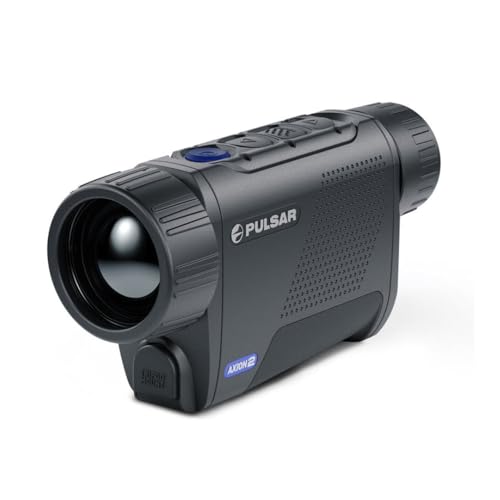
Pulsar answers with refined image processing rather than just core specs. The Axion 2 uses three sensitivity levels with signal amplification and contrast tuning to keep game legible against clutter in changing weather, and newer cores add a finer 12 micron pitch. Based on published specs and owner reviews, Iray often edges raw sensitivity and value, while Pulsar delivers a highly polished, consistent image and strong ergonomics.
App, ecosystem and features
Pulsar's Stream Vision 2 is a mature, broad platform that handles streaming, recording and firmware updates across monoculars, binoculars and scopes alike through the Stream Vision 2 app. If you build a multi-device kit, one app and a shared battery standard keep everything consistent.
Iray's software is capable and its devices are feature-rich, but the surrounding ecosystem and app refinement are generally seen as a step behind Pulsar's, especially across a full product stack. For a buyer who records hunts, updates firmware often, or wants one platform to grow into, Pulsar's maturity is a clear plus; for a buyer focused on the single best-performing optic, Iray competes hard.
Popular options on Amazon
Prices change often - check the current price on Amazon.
Build, battery and reliability
Pulsar builds to a rugged magnesium alloy housing that resists shock, drops, moisture and temperature swings, and most models use removable lithium packs for in-field battery swaps on long sessions. That durability and modular power are long-standing brand strengths.
Iray units are well made and often impressively compact, but battery systems and accessory support vary by model and the ecosystem is leaner. Pulsar's established reputation for rugged, predictable field use and easy battery swaps gives it the edge for hunters who prize reliability on multi-day outings.
Price, support, resale and verdict
Iray frequently undercuts Pulsar for comparable or better sensor specs, which is its biggest draw. Check the current price on Amazon, as both brands move on promotions. Pulsar counters with strong US distribution through Sellmark for service and better resale value on the used market.
Both are export-controlled under the EAR. Verdict: choose Iray if you want leading detector performance and value in a compact body and are comfortable with a leaner ecosystem. Choose Pulsar if you want the mature app, rugged proven reliability and stronger resale that justify paying more over the optic's lifetime.
Specifications
| Spec | Value |
|---|---|
| Sensor / resolution | XG35- 640x480 12µm |
| Housing / build | Without LRF |
| Weight | 0.8 Pounds |
| Length | 6.6 inches |
| Width | 1.9 inches |
| Height | 2.9 inches |
What owners say
The Telos XP50 (or XL50 if your budget allows) is amazing. If your budget doesn't reach you to the XP50, then I'd look at Nocpix/Iray.r/ThermalHunting
Frequently Asked Questions
Is Iray the same as InfiRay?
Yes. Iray and InfiRay refer to the same company and product family; the branding varies by market and distributor. It is a thermal detector manufacturer whose own cores power many of its monoculars, which is part of why its sensor specs are competitive.
Is Iray or Pulsar better for hunting?
Both are strong. Iray often leads on raw sensor sensitivity and value in a compact body, while Pulsar leads on app maturity, rugged build and resale. If detector performance per dollar matters most, Iray; if ecosystem and long-term ownership matter most, Pulsar.
Does Pulsar have a better app than Iray?
Generally yes. Pulsar's Stream Vision 2 is more mature and proven across a full lineup of monoculars, binoculars and scopes for streaming, recording and firmware updates. Iray's software is capable but its ecosystem is considered a step behind across a broad product range.
Which brand holds value better?
Pulsar typically holds resale value better, helped by brand recognition and established US distribution. Iray is well regarded but has a somewhat smaller secondhand audience, which can mean faster depreciation when you upgrade.
Ready to check the latest price?
Check Price on Amazon