
Pulsar Axion 2 XG35 Thermal Monocular
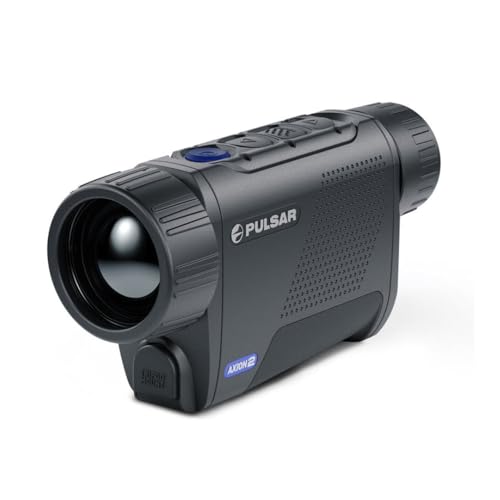
The Axion 2 XG35 is the top handheld in the Axion line: a 640x480 (XG) sensor behind a 35mm lens, a built-in 1,100 yd laser rangefinder, 2.5-20x zoom and APS5 power. It suits serious hog and predator hunters who want the sharpest, longest-reaching image in a pocket-size body and will pay for the higher-resolution core.
Pros
- 640x480 sensor resolves more detail at distance than XQ-class Axions
- Built-in 1,100 yd laser rangefinder with single and continuous modes
- 2.5-20x zoom covers both wide scanning and detailed identification
- Removable APS5 pack (about 7 hours) swaps in the field
- Rugged magnesium alloy body in a true pocket-size form
Cons
- Highest price in the Axion 2 line because of the 640x480 core
- 35mm objective and compact chassis cap reach versus larger handhelds like the Telos
- Rangefinder and higher resolution add cost over the XQ35 if you do not need them
What the XG35 Is
In Pulsar's sensor shorthand, XG means a 640x480 thermal core, the higher-resolution class above the 384x288 XQ chips. Pair that with a 35mm objective and you get the detail and reach that make the XG35 the flagship compact of the Axion 2 family. The LRF version adds a long-distance laser rangefinder, so you can confirm distance to an animal before you act rather than guessing.
The build is reinforced magnesium alloy, which Pulsar uses across the Axion line to shrug off shocks, drops, moisture and temperature swings while helping dissipate heat from the electronics. Three sensitivity levels let you tune signal amplification, filters, brightness and contrast for the conditions in front of you, from clear cold nights to humid, low-contrast weather.
Who It Suits
This is the Axion to reach for when image quality and distance matter most. The 640x480 core resolves finer detail than a 384x288 chip at the same magnification, which helps you tell a hog from a stump, a coyote from a dog, or a bedded deer from brush before you commit. The 2.5-20x zoom range covers wide scanning at the low end and detailed identification when you push in.
The built-in rangefinder is the other reason buyers choose the LRF XG35 over cheaper Axions. With single and continuous scanning modes, roughly a 1,100 yard reach and stated ±1m accuracy, it turns a scanning monocular into a tool that also feeds you the number you need for a shot decision. If you hunt open country or want ranging without carrying a separate unit, that integration earns its place.
Popular options on Amazon
Prices change often - check the current price on Amazon.

Where It Sits in the Axion Line
Against its siblings, the XG35 is the resolution and reach leader. The Axion 2 XQ35 shares the same 35mm body and feature set but uses a 384x288 core, so it costs less and gives up some fine detail at distance. The broader Axion 2 overview covers the full generation if you are still deciding between variants.
Step up past the Axion family and you reach the Pulsar Telos, a larger handheld built around a modular, upgradeable platform and bigger optics. The Telos trades the Axion's pocketability for a larger sensor and chassis. If you want the most compact body with flagship resolution, the XG35 is the pick; if you want room to grow and a bigger image, look at the Telos.
Power and App Ecosystem
The XG35 runs on a removable APS5 lithium pack rated for about 7 hours of continuous use. Because the battery pops out, you can carry a spare and swap it in the field instead of waiting on a charge. Charging is flexible: a dedicated charger, a PC, household power or a power bank over USB-C, and the device also accepts external power if you want to run it off a larger source.
Built-in Wi-Fi ties the unit to the Stream Vision 2 app on Android or iOS. Through the app you stream the live image to a phone, record footage, control functions remotely and install firmware updates that add features over the life of the device.
Specifications
| Spec | Value |
|---|---|
| Sensor / resolution | XG35- 640x480 12µm |
| Housing / build | Without LRF |
| Weight | 0.8 Pounds |
| Length | 6.6 inches |
| Width | 1.9 inches |
| Height | 2.9 inches |
Frequently Asked Questions
What does XG35 mean on the Pulsar Axion 2?
XG marks the 640x480 thermal sensor class, Pulsar's higher-resolution tier above the 384x288 XQ chips, and 35 refers to the 35mm objective lens. Together that is the highest-resolution configuration in the compact Axion 2 family.
Does the Axion 2 XG35 have a rangefinder?
The LRF version does. It carries a built-in laser rangefinder with roughly 1,100 yards of reach, single and continuous scanning modes and a stated ±1m accuracy, so you can confirm distance without a separate device.
How long does the battery last?
The removable APS5 pack is rated for about 7 hours of continuous operation. It charges by dedicated charger, PC, household power or a USB-C power bank, and you can carry spare packs to swap in the field.
XG35 or XQ35 - which should I buy?
Choose the XG35 if you want the sharpest image and the most reach and will pay for the 640x480 core. Choose the Axion 2 XQ35 if you want the same body and features at a lower price with a 384x288 sensor.
How does the XG35 compare to the Pulsar Telos?
The XG35 is a pocket-size monocular, while the Telos is a larger, upgradeable handheld with bigger optics. The XG35 wins on portability; the Telos offers a larger platform if you want room to grow.
Ready to check the latest price?
Check Price on Amazon