
ATN Thermal vs Pulsar
Pick Pulsar for cleaner thermal image quality, a mature app and better resale; pick ATN if you want feature-packed smart optics with onboard video, ballistics and a lower price at a given tier. ATN crams more software extras per dollar, while Pulsar focuses on core image performance and build. Your range and feature priorities decide it.
Pros
- Pulsar wins on thermal image quality, rugged build and resale value
- ATN wins on built-in features, ballistics and price per tier
- Both offer app connectivity and onboard recording
Cons
- ATN has a more mixed track record on firmware stability and battery life
- Pulsar asks more upfront and keeps its software deliberately lean
Sensor and image quality
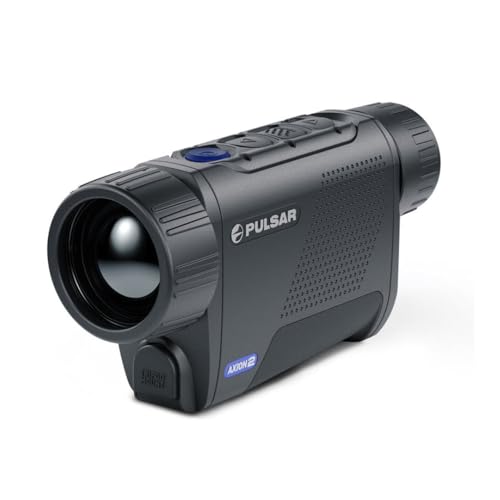
Pulsar's strength is the thermal picture itself. On a handheld like the Axion 2, three sensitivity levels plus signal amplification, filtering and contrast control keep targets legible against mixed backgrounds and weather, which pays off at longer detection range. The company leans on refined thermal processing over flashy extras.
ATN sells a next-generation sensor paired with a high-resolution OLED display that it markets for richer color and fine daytime and nighttime detail. On published specs and owner reviews ATN's displays look vivid, but Pulsar is generally regarded as the steadier, cleaner thermal image when conditions get hard. If raw image quality at distance is the priority, Pulsar leads; if you want a bright, detailed display with lots of overlay data, ATN is appealing.
Features and software
ATN's calling card is the feature stack: built-in recording, smart ballistics calculators, dual-stream video, Wi-Fi and app connectivity are baked into even mid-tier units. For a buyer who wants one device that records, calculates holdovers and streams without add-ons, ATN packs a lot in per dollar.
Pulsar's software is leaner and more focused. Stream Vision 2 over Wi-Fi covers streaming, recording and firmware updates cleanly through the Stream Vision 2 app, and the experience is stable and well supported rather than maximal. If you value a dependable, no-clutter system, Pulsar; if you want every gadget feature in one box, ATN.
Popular options on Amazon
Prices change often - check the current price on Amazon.

Build, battery and reliability
Pulsar builds to a rugged magnesium alloy housing that resists shock, drops, moisture and temperature extremes, and uses removable lithium packs so a spare battery keeps you hunting. That field-swappable power and tough shell are a real advantage on long outings.
ATN typically relies on internal or fewer swappable batteries and has historically drawn more mixed feedback on firmware stability and battery life. It has improved, but Pulsar's reputation for rugged, predictable operation is stronger. For hunters who prize reliability over feature count, that tilts toward Pulsar.
Price, resale and support
ATN usually costs less for a comparable sensor tier, which is a genuine draw for budget-minded buyers who want maximum features. Check the current price on Amazon, since both brands move on promotions. The trade is resale: Pulsar holds value better and has strong US distribution through Sellmark, so parts and service are easy to reach.
Both brands are export-controlled under the EAR. If you want the most capability per dollar today and don't mind faster depreciation, ATN makes sense. If you want image quality, rugged reliability and a device that resells well, Pulsar justifies its premium.
Specifications
| Spec | Value |
|---|---|
| Sensor / resolution | XG35- 640x480 12µm |
| Housing / build | Without LRF |
| Weight | 0.8 Pounds |
| Length | 6.6 inches |
| Width | 1.9 inches |
| Height | 2.9 inches |
Frequently Asked Questions
Is Pulsar or ATN thermal better overall?
Neither wins outright. Pulsar is better for thermal image quality, rugged reliability and resale. ATN is better for packing recording, ballistics and smart features into a lower-priced unit. Decide by whether you value image and durability or maximum features per dollar.
Does ATN have better video and recording than Pulsar?
ATN builds extensive recording, dual-stream video and ballistics into even mid-tier devices, which many buyers like. Pulsar records and streams cleanly through Stream Vision 2 but keeps the feature set leaner and more focused on stable core performance.
Which brand is more reliable in the field?
Pulsar generally earns the stronger reliability reputation, thanks to its rugged magnesium build and field-swappable lithium batteries. ATN has improved but has historically drawn more mixed feedback on firmware and battery life.
Which should I buy on a tight budget?
If budget is the priority and you want lots of features, ATN usually delivers more per dollar. If you can stretch for image quality and durability that resells well, Pulsar is the longer-term value. Compare current pricing on both before deciding.
Ready to check the latest price?
Check Price on Amazon