
Best Thermal Monoculars: Ranked Picks by Use Case
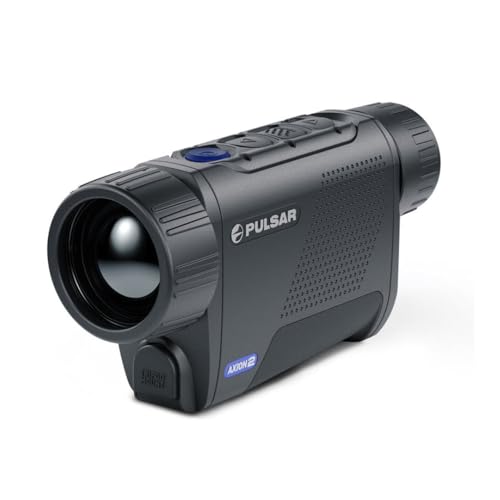
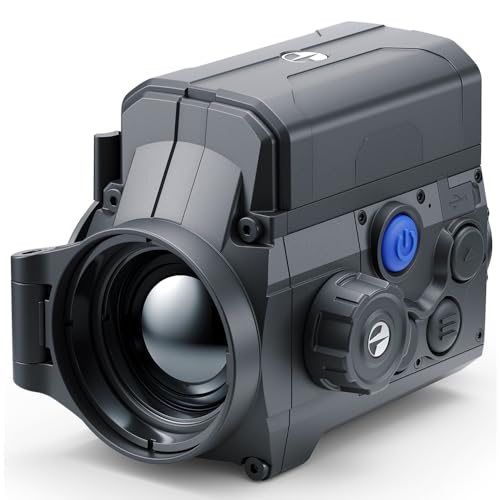
For most hunters the best all-around thermal monocular is the Pulsar Axion 2 XG35: a pocketable 640x480 handheld with a magnesium-alloy body and APS5 battery that balances detection range, image quality, and price. If you need built-in ranging the Pulsar Oryx fits, and the Pulsar Telos suits buyers who want a repairable, upgradeable platform.
Compare the Full Lineup




Pros
- Compact, pocketable bodies that are easy to carry all day
- 640x480 options give flagship-grade detail at distance
- Removable batteries charge over USB-C from wall, PC, or power bank
- Stream Vision 2 Wi-Fi for streaming, recording, and firmware updates
- Rugged magnesium-alloy housings resist shock, drops, and moisture
Cons
- Single-eye viewing is more tiring on long scanning sessions than binoculars
- Built-in rangefinders add cost and weight
- Higher-resolution flagships command a noticeable price premium
- Export-controlled, so availability and shipping can be restricted
Top Pick: Pulsar Axion 2 XG35
The Axion 2 XG35 earns the top spot because it packs a 640x480 sensor into a body small enough to carry in a jacket pocket, which is exactly what scanning-focused hunters want. Based on published specs and owner reviews, its three sensitivity levels let you tune signal amplification, contrast, and brightness for cold mornings, rain, or fog, so animals stay readable against changing backgrounds.
The reinforced magnesium-alloy housing shrugs off drops and moisture while dissipating heat, and the APS5 pack delivers roughly seven hours of continuous use and charges over USB-C from a wall outlet, PC, or power bank. Built-in Wi-Fi ties it to the Stream Vision 2 app for streaming, recording, and firmware updates. It is the pick we would hand a first serious buyer who still wants flagship-grade resolution.
Runners-Up by Use Case
No single monocular wins every job, so match the tool to how you hunt or observe:
- Best for long range and ranging: the Pulsar Oryx adds a built-in laser rangefinder with roughly 1,100-yard reach and continuous scanning, so you confirm distance before you commit to a stalk or shot.
- Best for the money with room to grow: the Pulsar Telos is built as an upgradeable, serviceable platform, which spreads the cost over time for buyers who plan to keep one device for years.
- Best pocket scanner: the compact Axion 2 XG35 again, when weight and packability matter more than ranging.
Birders and property scanners who do not need shot-ready ranging are usually best served by the lighter Axion-class bodies.
Popular options on Amazon
Prices change often - check the current price on Amazon.


Monocular Comparison
| Model | Sensor / resolution | Best for |
|---|---|---|
| Pulsar Axion 2 XG35 | 640x480 | All-around pocket scanning |
| Pulsar Oryx | Thermal with built-in LRF | Long range, ranging |
| Pulsar Telos | High-resolution handheld | Upgradeable long-term platform |
Higher resolution and a finer 12µm sensor pitch give a cleaner image at distance, which is the main reason flagship handhelds cost more than entry models.
How to Choose a Thermal Monocular
Start with the distance you actually work. A 384x288 sensor is plenty for scanning fields and spotting hogs at moderate range, while a 640x480 sensor holds detail far enough out to identify what you are looking at. If you hunt open country or need to call a shot, a built-in laser rangefinder removes guesswork. Weigh battery life and charging options too, since removable packs that top up over USB-C keep you in the field longer.
Do not overbuy resolution you will never use, but do not starve yourself on range either. For a deeper walk-through of families and sensor codes, start at our thermal binoculars overview if two-eyed scanning tempts you, or compare platforms on the Pulsar model comparison.
Specifications
| Spec | Value |
|---|---|
| Sensor / resolution | XG35- 640x480 12µm |
| Housing / build | Without LRF |
| Weight | 0.8 Pounds |
| Length | 6.6 inches |
| Width | 1.9 inches |
| Height | 2.9 inches |
Frequently Asked Questions
What is the best thermal monocular for hunting?
For most hunters the Pulsar Axion 2 XG35 is the best all-around choice: a 640x480 sensor, pocketable body, and tunable sensitivity levels that handle varied weather. If you hunt open country and want ranging, look at the Pulsar Oryx.
What is the best thermal monocular for the money?
The Pulsar Telos stands out for value over time because it is designed to be serviced and upgraded rather than replaced. Check the current price on Amazon, since street pricing shifts across models and seasons.
Do I need a built-in rangefinder on a thermal monocular?
Only if distance matters for your decisions. A built-in laser rangefinder like the one on the Oryx confirms range before a stalk or shot with roughly meter-level accuracy, which is valuable in open terrain. For close scanning it is optional weight and cost.
What does the sensor resolution actually change?
More pixels and a finer 12µm pitch produce a cleaner, more detailed image at distance, which is why 640x480 models identify targets farther out than 384x288 ones. It is the single biggest driver of both image quality and price.
Can I record and share what I see?
Yes. Pulsar handhelds connect over Wi-Fi to the Stream Vision 2 app, so you can stream the live image to a phone, record clips, and push firmware updates. See the app page for details.
Ready to check the latest price?
Check Price on Amazon