
Pulsar Telos LRF XP50 Thermal Monocular

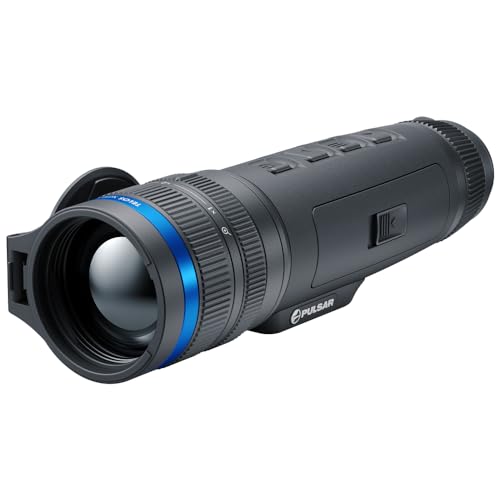
The Pulsar Telos LRF XP50 is Pulsar's flagship handheld thermal monocular: a 640x480 sensor behind a 50mm F/1.0 lens, a built-in 1,000-yard laser rangefinder, and a magnesium-alloy body designed to be serviced and upgraded over time. It suits serious hunters and scouts who want long detection range plus ranging in one device and plan to keep it for years.
Pros
- 640x480 XP50 sensor with <18mK NETD for clean detail at distance
- Built-in 1,000-yard laser rangefinder on LRF variants
- Upgradeable platform designed for service and firmware extension
- Over 8 hours of runtime and IPX7 all-weather housing
- Lightweight magnesium-alloy body with Stream Vision 2 connectivity
Cons
- Flagship pricing; the upper sensor variants are a significant outlay
- Larger and heavier than pocket monoculars like the Axion 2
- One-eyed viewing tires the eyes on long glassing sessions
- Observation device only, not a recoil-rated riflescope
What the Telos is and where it sits in the range
The Telos is Pulsar's premium observation monocular, sitting above the compact Axion 2 pocket line and alongside the long-range spotting role once held by the Helion. What sets it apart is the upgradeable platform: the housing is built so the sensor module and electronics can be serviced or improved rather than discarded, which is unusual in thermal optics and part of why it carries a flagship positioning.
Across the variants, the core difference is the sensor. XQ35 uses a 384x288 core for a lighter, shorter-range option; XP50 steps up to a 640x480 sensor for more pixels on target at distance; and XG-class cores push resolution higher still. The LRF suffix marks the models with the integrated laser rangefinder, which is the configuration most buyers want for hunting.
Sensor and variant options
Choosing a Telos is mostly choosing a sensor and objective. Common configurations include:
- Telos XQ35 - 384x288 core, 35mm lens. The lighter, more affordable entry: shorter detection range but easier to carry.
- Telos LRF XP50 - 640x480 core, 50mm lens, built-in rangefinder. The all-rounder with a stated 1,900-yard detection range and crisp long-range detail.
- Telos XL50 / XG50 - higher-resolution cores on the 50mm body for the cleanest image at distance.
The XP50 pairs a <18mK NETD sensor with a 1024x768 AMOLED display, so faint heat signatures separate cleanly from a cool background. A finer pixel pitch and higher resolution are the main reasons the upper variants cost more, as noted in our Pulsar price guide.
Popular options on Amazon
Prices change often - check the current price on Amazon.



Rangefinder, power, and ecosystem
The LRF variants add a built-in laser rangefinder rated to 1,000 yards, so you can confirm distance to an animal without a separate device. Power comes from a rechargeable pack delivering over 8 hours of continuous runtime, which covers most full outings before a swap or recharge.
Integrated Wi-Fi connects the Telos to iOS and Android phones through the Stream Vision 2 app for live streaming, photo and video transfer, and firmware updates. Those firmware updates matter on an upgradeable platform like this one, since they extend features over the device's life. The germanium F/1.0 lens and objective-ring zoom round out the optical package.
Honest limits and who should look elsewhere
The Telos is a large, premium monocular, and that works against buyers who prioritize packability or budget. If you want something that disappears in a jacket pocket, the Axion 2 line is the better fit. If you glass for long periods and dislike holding one eye closed, a binocular like the Merger reduces eye strain on extended watches.
The Telos is also an observation tool, not a riflescope: it is not built to be mounted and withstand recoil. Hunters who need an aiming device should look at Pulsar's Thermion or Talion scopes instead. For a side-by-side across bodies, see our best thermal monoculars shortlist.
Specifications
| Spec | Value |
|---|---|
| Sensor / resolution | XP50- 640x480 17µm |
| Weight | 0.99869404686 pounds |
| Length | 9.3 inches |
| Width | 2.8 Inches |
| Height | 3.5 inches |
Frequently Asked Questions
What is the difference between the Telos XP50 and XQ35?
The XP50 uses a 640x480 sensor behind a 50mm lens for more pixels on target and longer detection range, while the XQ35 uses a 384x288 sensor and 35mm lens for a lighter, lower-cost device. The XP50 sees finer detail at distance; the XQ35 is easier to carry.
Does the Telos have a built-in rangefinder?
The LRF variants include an integrated laser rangefinder rated to about 1,000 yards, so you can confirm distance in the same device. Non-LRF Telos models skip the rangefinder to save weight and cost.
How long does the Telos battery last?
Pulsar rates the Telos LRF XP50 at over 8 hours of continuous operation on a single charge. Carrying a spare pack or a USB power source extends multi-day trips.
Is the Pulsar Telos a riflescope?
What makes the Telos upgradeable?
The housing is designed so the sensor and electronics can be serviced or improved rather than replacing the whole unit, and Stream Vision 2 firmware updates add features over time. It is positioned as a platform you keep and extend rather than cycle out quickly.
Ready to check the latest price?
Check Price on Amazon