
Pulsar Thermal Accessories and Add-Ons
The accessories that matter most are the ones that change how a Pulsar mounts or carries: a quick-detach adapter for a clip-on, the 3x20 B monocular that turns a Krypton or Proton attachment into a handheld observer, and a neck strap for field use. Cosmetic add-ons come second.
Mounts and adapters
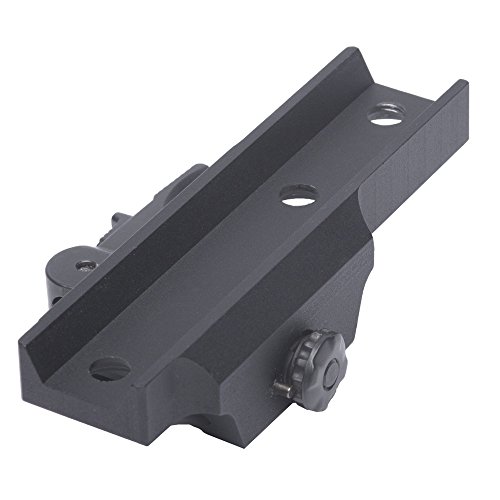
A mount is how a Pulsar attaches to a rifle, helmet, or front optic, and it is the accessory most likely to make or break your setup. For riflescopes, use the rings or picatinny mount matched to your device body and tube so the unit sits at the right height and holds zero. For clip-on attachments, a quick-detach adapter clamps to the front of a day scope and lets you move the thermal between rifles without tools. Pulsar designs clip-on attachments to come off their adapter and transform into a standalone thermal imager in seconds, with no tools required, so the adapter you choose defines how fast that swap is. Buy the adapter sized to your day scope's objective; a loose or mismatched clamp is the usual cause of shifting point of impact.
The 3x20 B monocular for clip-ons
If you run a Krypton or Proton front attachment, the Pulsar 3x20 B monocular is the single accessory that unlocks handheld use. It attaches to the attachment by bayonet connector and gives a clean 3x magnified view for scanning, so the same thermal core you mount ahead of a day scope becomes a pocket observation device. Pulsar notes the 3x20 B weighs less than 100 grams and that its optical scheme delivers full diagonal visibility of the Proton and Krypton displays, so you see the whole frame rather than a cropped center. A dedicated mechanical part lets you fine-tune the screen position within the monocular's field of view. For anyone with a clip-on, this turns one device into two jobs.
Popular options on Amazon
Prices change often - check the current price on Amazon.


Straps, cases, and carry
A neck strap is the least glamorous and most used accessory. Pulsar's strap is built so you can carry the monocular and a clip-on attachment together in the field, keeping both at hand during a stalk instead of digging through a pack. A padded case protects the lens and electronics in transit, and a wrist lanyard guards against drops when you are glassing one-handed. None of these change performance, but they keep an expensive device safe and ready, which is why most owners add them early.
Lenses, IR illuminators, and specialty mounts
Some Pulsar bodies accept swappable or add-on objective lenses that change magnification and detection range; match any lens to your specific model rather than assuming cross-compatibility. An IR illuminator is a night-vision accessory, not a thermal one - thermal sensors see heat and do not need added light, so skip IR unless you also run a digital night-vision device. Helmet and roof mounts exist for hands-free observation and vehicle scanning; these are niche, and most hunters never need them. When in doubt, confirm fitment against your exact model before buying, and check the current price on Amazon. See the batteries and chargers guide for the power side of your kit.
Specifications
| Spec | Value |
|---|---|
| Weight | 0.220462262 pounds |
| Length | 3.7 inches |
| Width | 1.77 Inches |
| Height | 2.0 inches |
Frequently Asked Questions
What is the Pulsar 3x20 B monocular for?
It converts a Krypton or Proton thermal front attachment into a 3x handheld observation device via a bayonet connector. It weighs under 100 grams and shows the full attachment display, so one clip-on core can work both ahead of a day scope and as a standalone monocular.
Do I need an IR illuminator with a Pulsar thermal?
No. Thermal devices detect heat and work in total darkness without any added light. IR illuminators are for digital night-vision gear, not thermal, so you only need one if you also run a night-vision device.
Which mount should I buy for a Pulsar clip-on?
Use a quick-detach adapter sized to your day scope's objective diameter. Pulsar attachments are built to come on and off the adapter in seconds without tools, so the right clamp lets you move the thermal between rifles while holding a repeatable fit.
Are Pulsar accessories cross-compatible between models?
Not always. Batteries follow the APS standard across many devices, but mounts, lenses, and adapters are often model-specific. Always confirm the accessory lists your exact model before purchasing.
Is a neck strap worth it?
For field use, yes. Pulsar's strap carries the monocular and a clip-on together, keeping both ready during a stalk. It costs little, protects against drops, and is one of the most-used accessories owners add.
Ready to check the latest price?
Check Price on Amazon